Services
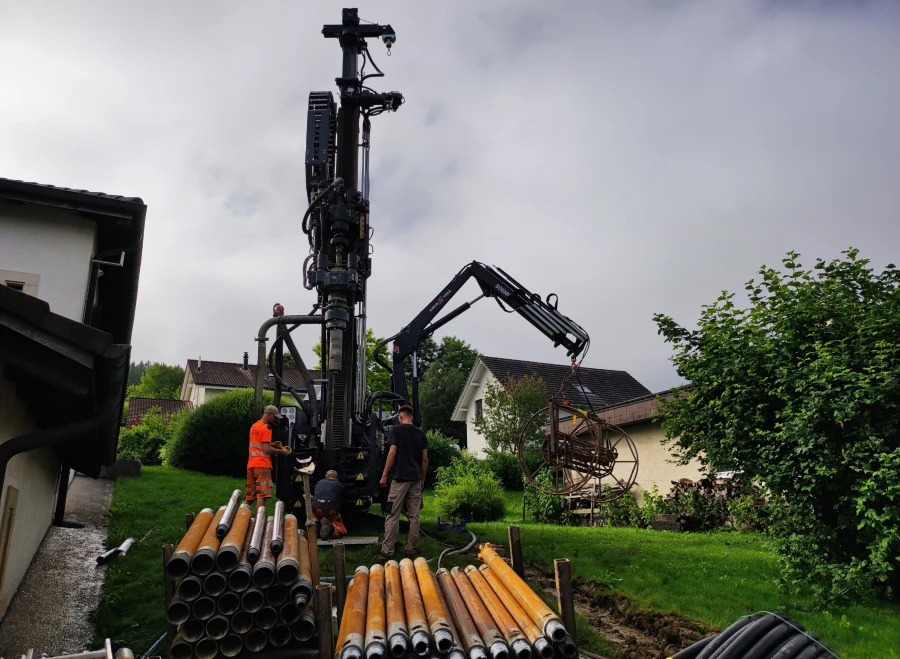
Environmental Drilling
Environmental Drilling is primarily used to sample potentially impacted soils and monitor groundwater as well as assisting in controlling and remediating contamination. At Strata Drilling Group, all our drill rigs are rubber track mounted, designed for limited access, or hand portable. Dill rigs are CE and CSA certified, and equipped with the last safety features, including emergency stops and integrated auger guards. Our experienced team of drillers utilizes state-of-the-art “Direct Push” technology, “Air Rock” drilling systems, and “Conventional” sampling techniques to ensure efficient and thorough completion of every project.
Drilling Contaminated Sites
Our team of drillers is trained to provide the best drilling methods for our clients. Our drilling staff will combine their knowledge of ground conditions with effective and modern drilling technology, including a suite of available drilling methods, real time data solutions, and characterization techniques. Together with our clients, we implement productive and cost-effective drilling methods with a focus on safety. Many of our drill rigs provide geotechnical and environmental information simultaneously.
PFAS Contaminated Sites
Our drillers use modern drilling technologies on sites with PFAS contamination in order to effectively provide the needed geological, hydrogeological, and contaminant sampling methods. In addition, the construction of licensed wells enables monitoring the impact of PFAS on groundwater. Our goal is to work with the client in order to provide a better understanding on site of the presence of PFAS contamination in the different impacted soils and groundwater.
Injection Remediation
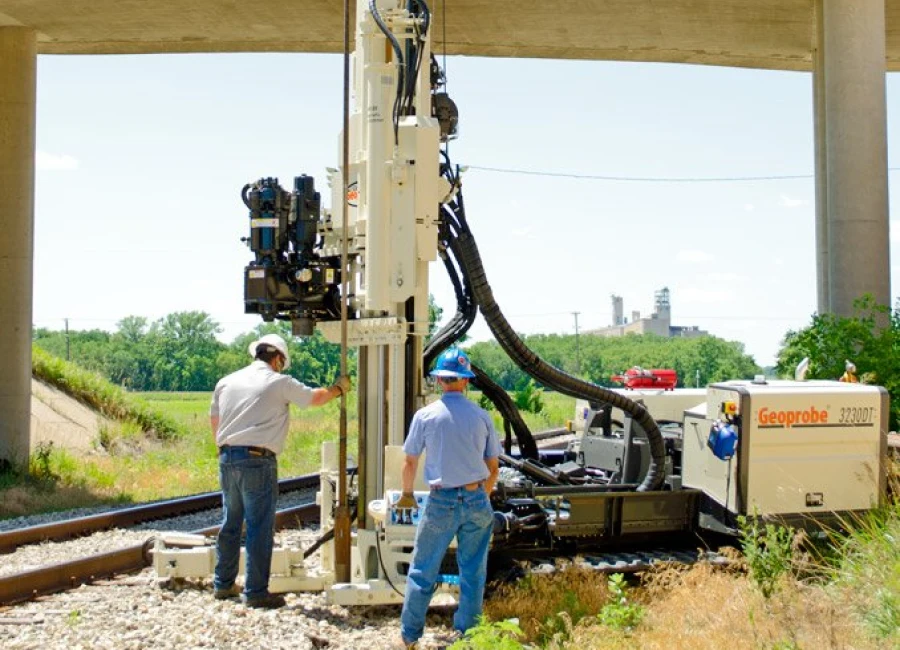
The GP300 pump from Geoprobe Systems® is designed primarily for the injection of high viscosity Hydrogen Release Compound (HRC®). GP300 pumps are also capable of injecting standard bentonite grout mixes and other remediation materials. For the injection of permanganates, peroxides, and other oxidizers, the GP800 pump from Geoprobe Systems® is designed to withstand the corrosiveness of these oxidizers. In addition, this pump has been designed to meet the high injection volume requirements of these materials. Material injection requires that the material be pushed out into the formation for maximum material to contaminant contact. Techniques such as “top down” injection, are much more accurate at placing the remediation material where it is intended to be placed.
High Resolution Vertical Profiling
Log the Relative Concentration of Volatile Organic Compounds (VOCs) with Depth in Soil
The MIP (membrane interface probe) from Geoprobe Systems® measures volatile petroleum hydrocarbon and solvent contamination along with electrical conductivity of soil and permeability. An inert carrier gas continually sweeps behind a heated membrane in the probe and is then transported to a series of detectors at the surface. The detectors each respond to different analyte properties which allows the MIP operator to discern the contaminant to its family group as well as provide the ability to map out the contaminant plume from source to extent. Obtaining an understanding of electrical conductivity of soil and permeability along with the contaminant information allows the investigator to know if the VOC contamination is near to prominent migration pathways or bound up in a storage zone. This knowledge will greatly aid in how to approach site remedial efforts.
Laser Induced Fluorescence (LIF)
LIF is a field portable system that detects NAPL in the subsurface, including most refined fuels through heavy crude petroleum. LIF works by using a laser to excite PAH electrons in the NAPL to a higher-energy state. The LIF system is used in the subsurface with direct push technology advancing a sapphire-windowed probe.
Geotechnical Drilling
Geotechnical engineering is a fundamental component of infrastructure and building projects, including work for tunnel and underground structures, transit and rail facilities, marine and offshore facilities, and mines. Strata Drilling Group provides clients with a range of geotechnical drilling methods required for the design of ground engineering projects. We provide high-quality sampling and testing methods using state-of-the-art equipment, including SPT (Standard Penetration Test), DPT (Dynamic Penetration Test), CPT (Cone Penetration Test), Shelby Tubes, and Vanes. Our extensive geotechnical services ensure accurate data collection for informed decision-making.
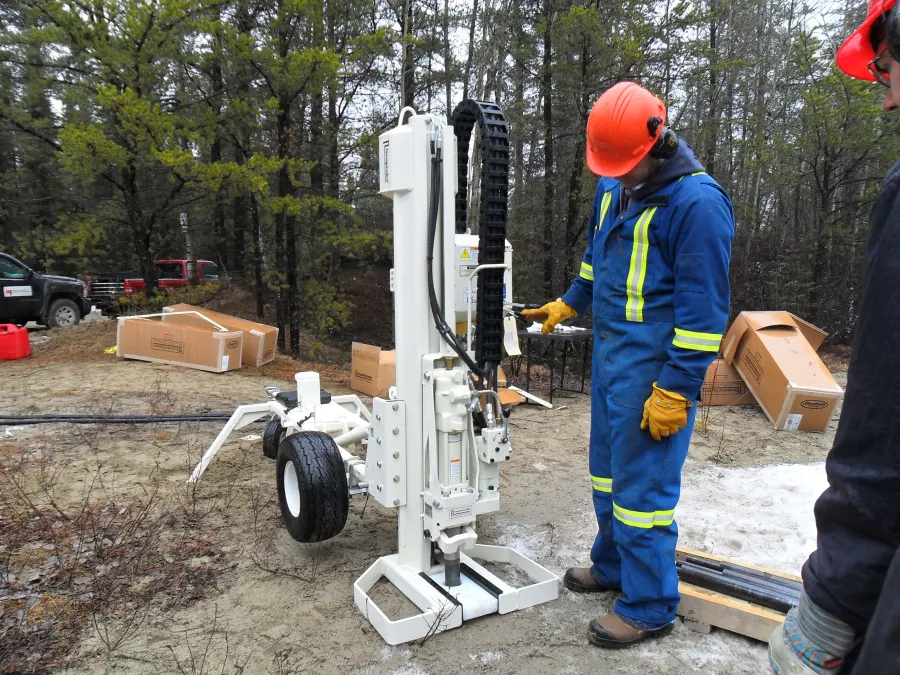
Limited Access Drill Rigs
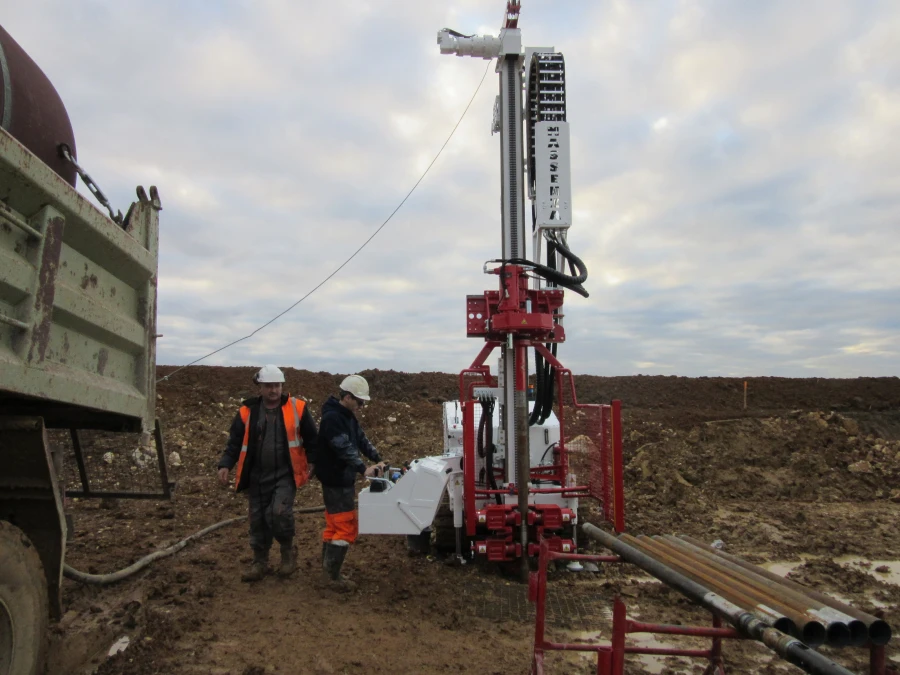
Strata Drilling Group has a number of limited access drill rigs as well as specialized drilling equipment for limited access situations as well as for drilling at remote sites. Limited access rigs are used when the challenge of space constrictions exist: narrow access, limited work pad area, overhead restrictions, and indoor drill sites.
Mineral Exploration Drilling
Strata Drilling Group offers comprehensive mineral exploration drilling services and mine site drilling by working with clients and stake holders in order to identify and assess valuable resources. With advanced drilling techniques and experienced drillers, we provide core samples of a variety of materials in the subsurface. By withdrawing a core of soil or rock from potential sites and known mineral deposits, geologists can analyze the core through variety of drill rigs, including track-mounted and heli-portable rigs, in order to sample potential mine sites, operating mine sites, mine tailings, sediments, basal till, and rock formations. This comprehensive approach provides efficient, detailed, and safe exploration drilling services. Our drillers also have experience working at remote sites across Canada, including the extreme cold conditions of the Far North.
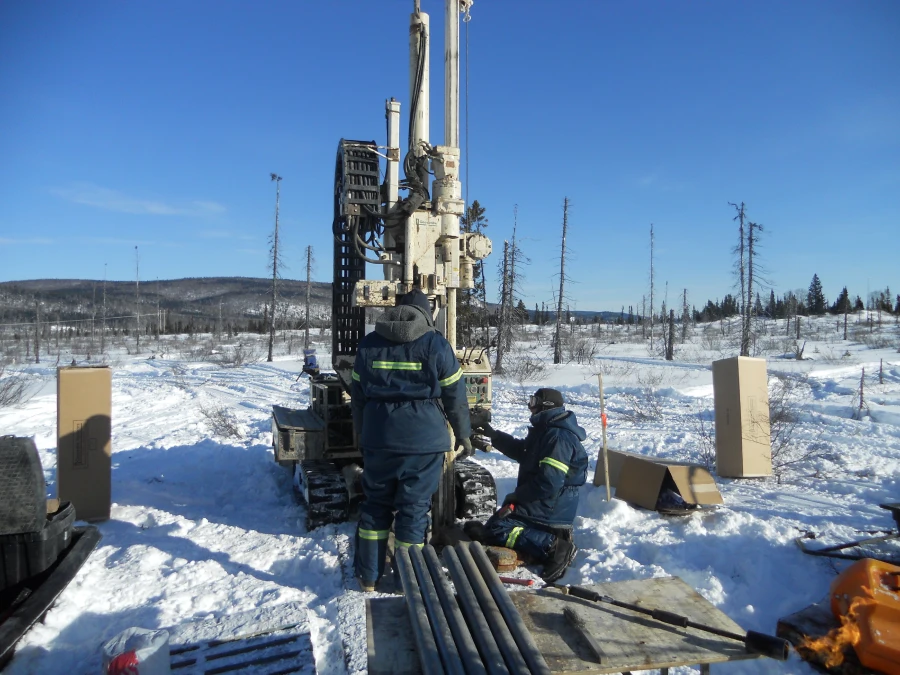
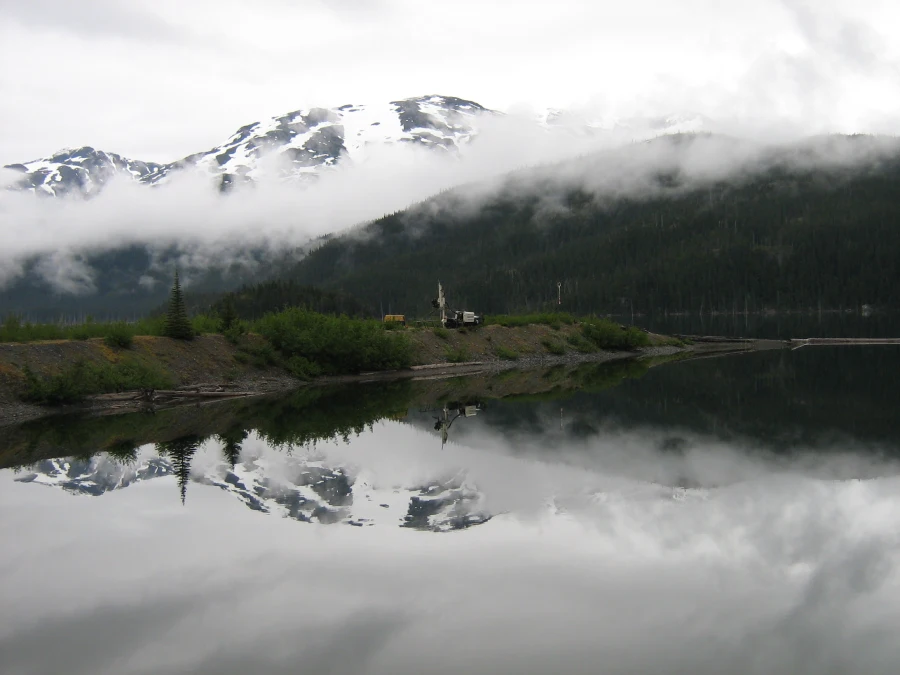
Extreme Conditions
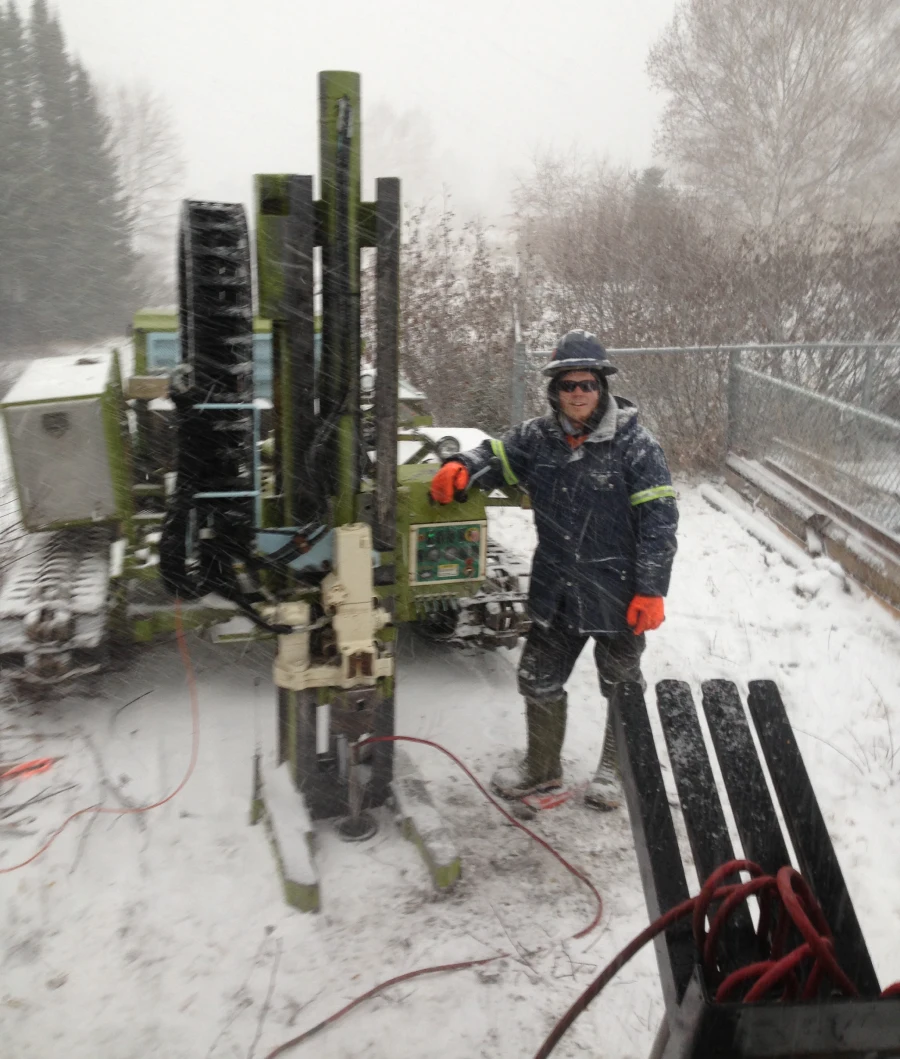
Strata Drilling Group has extensive experience and expertise in working in extreme conditions, from sweltering heat to freezing Arctic temperatures as low as -30C. We thrive in situations that include frozen ground, high winds, heavy snowfall, and ice. While these conditions may not be ideal for outdoor activities, they are suitable for accessing certain areas in the North.
A lot of the exploration drilling equipment we provide is entirely mechanical, without any electrical components. This design allows us to complete projects with minimal downtime, prioritizing maximum efficiency and safety in freezing conditions.
In extreme conditions, every task becomes more challenging. Maintenance becomes critical to ensure equipment can operate effectively in freezing conditions, and safety standards must be rigorously maintained.